That faint, foul odor in your kitchen isn’t something to ignore. When you suspect a gas leak, your mind races. After you’ve evacuated and called the utility company, the next step is finding someone to perform the repair. This is where many homeowners get stuck. You might ask yourself, do plumbers fix gas leaks, or is there a different specialist for that? While most people associate plumbers with water-related issues like clogged drains or leaky faucets, the truth is that many licensed plumbers are also certified to work on gas lines. However, this isn’t a job for just any handyman. It requires specific training to ensure the safety of your home and family in Oro Valley or Marana.
Key Takeaways
- Prioritize Safety Above All Else: If you notice warning signs like a rotten egg smell or hissing sounds, evacuate everyone from the building immediately. Avoid using electronics or light switches, and call your gas utility’s emergency line once you are a safe distance away.
- Confirm Your Plumber is Certified for Gas Work: Gas line repair is a specialized job that requires specific training and licensing beyond standard plumbing. Hiring a certified professional ensures the work is done correctly, safely, and in compliance with all local codes.
- A Professional Repair Includes Final Safety Checks: A proper repair involves more than just fixing the pipe. A qualified technician will use specialized equipment to find the leak’s source and perform a final pressure test to confirm your entire system is secure.
Can a Plumber Fix a Gas Leak?
It’s a question we hear a lot, and it makes perfect sense. When you think “plumber,” your mind probably goes straight to leaky faucets and clogged drains. But the truth is, many licensed plumbers are also the exact professionals you need to call for a gas leak. While most people associate plumbing with water, a plumber’s expertise often extends to the entire network of pipes in your home, including the gas lines that fuel your furnace, water heater, and stove.
However, it’s crucial to understand that not every plumber is qualified to handle this type of work. Gas line repair is a specialized skill that requires specific training, certification, and equipment to be performed safely and correctly. It’s not a task for a general handyman or a plumber without the proper credentials. The risks associated with an improper gas line repair are incredibly high, which is why you should only trust a certified professional. At Fusion Plumbing & Air, our team is fully licensed and trained to handle all types of residential plumbing issues, including the safe and effective repair of gas leaks in homes across Tucson.
The Right Licenses and Certifications
So, what separates a plumber who can fix your sink from one who can fix a gas line? It all comes down to their licenses and certifications. While a standard plumbing license covers water and drainage systems, working on gas lines requires an additional level of qualification. Plumbers who handle gas leaks must prove they have undergone extensive training specifically on gas pipe systems, safety protocols, and local building codes.
Think of it like a doctor who specializes in a specific field. You’d want a cardiologist for a heart issue, not a general practitioner. Similarly, for a gas leak, you need a plumber with the certified expertise to manage the job safely. This ensures they not only know how to fix the leak but also how to test the system thoroughly to guarantee your home is secure.
Why Specialized Gas Line Training Matters
Working with gas lines is fundamentally different and far more dangerous than working with water lines. An improperly fixed water pipe might cause a flood and water damage, but an improperly fixed gas line can have catastrophic consequences. That’s why specialized training is so important. Certified plumbers are taught how to handle volatile materials, use precise detection tools, and follow strict safety procedures that protect both you and your property.
This training also covers all the local and national codes that govern gas line installation and repair. These regulations exist for a reason—to keep everyone safe. A trained professional understands these rules inside and out, ensuring your repair is not just effective but also fully compliant. This is why hiring a certified plumber is the only way to ensure the work is done correctly and your home remains a safe place for your family.
The Importance of Insurance and Bonding
When you hire a professional for a job as serious as a gas leak, you want peace of mind. That’s where insurance and bonding come in. A fully insured and bonded plumbing company protects you from any liability in the unlikely event that something goes wrong during the repair. It’s a safety net that demonstrates the company’s professionalism and commitment to protecting its customers.
Choosing a certified, insured plumber is the most effective way to handle a gas leak and secure your home. It guarantees that the person working on your gas lines has the right tools, the right training, and the right protection. If you suspect you have a gas leak in your Tucson, Oro Valley, or Marana home, don’t wait. You can schedule an appointment online with our certified team for a prompt and safe resolution.
How to Identify a Gas Leak in Your Home
A gas leak is a serious issue, but knowing how to spot one is the first step toward keeping your home and family safe. Your senses are your best tools for detection. Gas leaks often present clear warning signs, from distinct smells to unusual sounds. It’s also important to recognize the physical symptoms of gas exposure, as they can be the first indication that something is wrong. Trust your instincts—if something feels off, it’s always better to investigate it safely.
Key Warning Signs to Look (and Smell) For
The most common sign of a natural gas leak is a smell like rotten eggs or sulfur. Gas companies add this odorant, called mercaptan, to the naturally odorless gas specifically to make leaks detectable. You might also hear a hissing or whistling sound near a gas line or appliance. Outside your home, look for patches of dead or dying vegetation, as leaking gas can kill plants. Another clue can be found in your utility bills; a sudden and unexplained spike in your gas usage could point to a leak in your home’s residential plumbing system.
Physical Symptoms of Gas Exposure
Gas leaks don’t just affect your home; they can have a serious impact on your health. If you’re exposed to natural gas, you might experience physical symptoms like dizziness, headaches, nausea, fatigue, or confusion. These symptoms occur because the gas displaces oxygen in the air. If you or anyone in your household suddenly starts feeling unwell with these symptoms and there’s no other obvious cause, you should consider the possibility of a gas leak. Pay close attention to how you feel inside your home versus outside in the fresh air.
When to Act Immediately
If you smell gas or suspect a leak for any reason, you need to act fast. Your immediate priority is to get everyone out of the house right away. Don’t try to find the source of the leak yourself. On your way out, do not use anything that could create a spark—this includes flipping light switches, using your cell phone, or lighting a match. Once you are a safe distance from the property, call your gas utility’s emergency number. After they’ve addressed the immediate danger, you can schedule an appointment with our team to inspect and repair your gas lines.
What to Do When You Suspect a Gas Leak
If you think you have a gas leak, your immediate actions are critical to keeping everyone safe. Natural gas is colorless and odorless, so utility companies add a chemical called mercaptan to give it that distinct rotten egg smell for easier detection. Trust your senses. If you smell gas, don’t second-guess it—act immediately. Knowing the right steps to take can prevent a dangerous situation from becoming a disaster. Your safety is the number one priority, and everything else can wait.
Your Immediate Safety Checklist
The moment you suspect a gas leak, your only goal should be to get everyone out of the building. Don’t waste time trying to find the source of the smell or packing up belongings.
- Evacuate Immediately: Get every person and pet out of the house right away.
- Leave the Door Open: As you leave, prop the door open to help ventilate the building.
- Move a Safe Distance Away: Walk at least a block away from your home or business before stopping.
- Don’t Go Back Inside: Wait until emergency responders or a qualified technician tells you it’s safe to re-enter the property.
Following these steps ensures you and your family are out of harm’s way while you wait for professional help to arrive.
Who to Call First
Once you are safely outside and away from the building, it’s time to call for help. If the gas smell is extremely strong or anyone is feeling dizzy, nauseous, or light-headed, call 911 immediately.
Next, call your gas utility company’s emergency line. They will dispatch a technician to shut off the gas supply and secure the area. After the utility company has turned off the gas, you’ll need a certified professional to handle the repairs. That’s when you should call our team at Fusion Plumbing & Air. Our technicians are trained and licensed to perform gas line repairs and will ensure your system is safe and up to code before restoring service.
What Not to Do During a Gas Emergency
What you don’t do during a gas leak is just as important as what you do. The smallest spark can ignite natural gas, so you must avoid creating any potential ignition source.
- DO NOT use any electronics. This includes flipping light switches on or off, using your cell phone inside, or operating any appliances.
- DO NOT use matches, lighters, or any open flame.
- DO NOT start your car if it’s parked in an attached garage.
- DO NOT try to find the leak or fix it yourself.
Gas line work is not a DIY project. Leave the diagnostics and repairs to trained professionals who have the right tools and expertise. Once the immediate danger has passed, you can schedule a service call with us to handle the rest.
Why Gas Leak Repair Isn’t a Standard Plumbing Job
While a dripping faucet and a gas leak both involve pipes, that’s where the similarities end. Gas line repair is a highly specialized field that demands more than a standard plumbing toolkit and general know-how. It’s a job where precision, training, and an unwavering commitment to safety are non-negotiable. Understanding why this isn’t a typical plumbing task helps clarify why you should always call a certified professional for the job. This work requires specific expertise that goes far beyond typical residential plumbing issues, involving unique tools, strict codes, and significant risks that only a trained technician can manage.
The Specialized Tools Required
You can’t find a gas leak with a wrench and a flashlight. Professionals rely on sophisticated equipment to do the job safely and accurately. Our technicians use electronic gas detectors, often called “sniffers,” that can pinpoint the exact source of a leak, even if it’s tiny and hidden behind a wall. These special tools take the guesswork out of the equation, ensuring we address the problem at its source. This level of precision is crucial for a complete and safe repair. Without the right equipment, a repair is just a guess, and that’s a risk no one should take with their home or business in Tucson.
Strict Safety Protocols and Codes
Working with natural gas lines is serious business, governed by strict safety rules and local building codes. Professionals are trained to follow these regulations to the letter, ensuring every repair is done correctly and safely. These codes dictate everything from the type of pipes and fittings that can be used to the specific methods for pressure testing the lines after a repair. Adhering to these standards isn’t just about compliance; it’s about protecting your home and family. When you schedule a service with a certified team, you can trust that the work meets all safety requirements for homes in Oro Valley, Marana, and Sahuarita.
The Dangers of a DIY Approach
This is one job you should never, ever try to tackle yourself. Gas leaks are incredibly dangerous and can lead to fires, explosions, and serious health issues like carbon monoxide poisoning. Even a tiny spark from flicking a light switch or using your phone can ignite the gas. That’s why the first rule is always to evacuate the area immediately if you suspect a leak. Attempting a DIY fix without the proper training and tools can easily make the situation worse, putting your property and everyone in it at extreme risk. The cost of a professional repair is minimal compared to the potential for a catastrophic accident. Please, leave it to the experts.
What to Expect During a Professional Repair
We know that having a gas leak is a stressful situation. The moment our technician arrives, your safety becomes our top priority. We work efficiently to diagnose and resolve the issue so you can have peace of mind. Here’s a clear, step-by-step look at what our professional repair process involves from start to finish.
How We Find and Assess the Leak
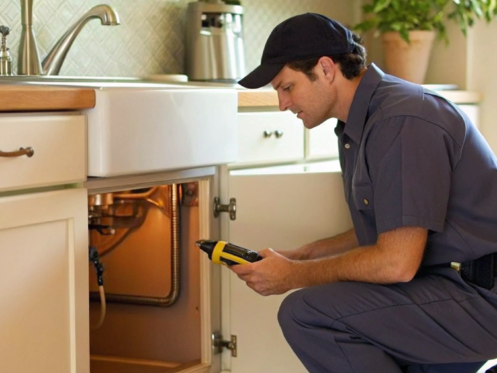
First things first, we need to find the exact source of the leak. Guesswork has no place here. Our certified technicians are trained to handle gas line problems safely and come equipped with specialized tools, including electronic gas detectors, to pinpoint the precise location of the issue. We’ll thoroughly inspect your gas lines and fittings to understand the full extent of the problem. This careful assessment allows us to create a targeted repair plan that addresses the root cause, ensuring a safe and lasting solution for your home in Tucson or Sahuarita.
Common Repair Methods
Once we’ve identified the source of the leak, we’ll explain the best course of action. Depending on the situation, the fix could be straightforward, like tightening a loose fitting. In other cases, it might involve replacing a cracked or corroded section of pipe or installing a completely new line to ensure your system is up to code and operating safely. Our team will walk you through the recommended repair, so you know exactly what needs to be done before we begin any work.
Factors That Influence Cost and Timeline
The cost and time required for a gas leak repair can vary. A simple fix on an easily accessible pipe will naturally cost less and be quicker than a more complex repair on a line that’s behind a wall or underground. Factors like the leak’s location, the severity of the damage, and the materials needed all play a role. While minor industry repairs can range from $150 to $500, more extensive work can exceed $1,000. We provide upfront pricing so there are no surprises, and our maintenance agreements can help you prevent future issues.
Final Testing to Ensure Your Safety
Our job isn’t finished once the repair is made. To guarantee your safety, we perform a comprehensive pressure test on your gas system. This final check confirms that the leak is completely gone and that there are no other vulnerabilities in the line. We don’t leave until we are 100% certain that your system is secure and operating correctly. Your safety is our final and most important quality check. If you suspect a problem, don’t wait—schedule a visit with our team today.
Related Articles
Frequently Asked Questions
Is a faint gas smell something I should worry about immediately? Yes, absolutely. There’s no such thing as a “minor” gas leak. Even a faint smell of rotten eggs indicates that gas is escaping, and it should be treated as an emergency. Don’t wait for the smell to get stronger. The best and only thing to do is to get everyone out of the house right away and call your gas utility’s emergency line from a safe distance.
How do I know if a plumber is qualified to fix a gas leak? This is a great question, and it’s smart to ask. When you call a plumbing company, you can directly ask if their technicians are certified for gas line repair. A reputable company will be transparent about their qualifications. You can also look for this information on their website or ask to see a technician’s credentials. Never hesitate to verify—you’re ensuring the work is done by a true professional who has the specific training required for the job.
The gas company shut off my gas. Can they also fix the leak? Typically, the gas utility company’s role is to handle the immediate emergency by shutting off the gas supply to make the area safe. They are responsible for the main line leading to your meter. However, they generally do not perform repairs on the gas lines inside your home. Once they’ve secured the situation, you will need to hire a licensed and certified plumber, like our team at Fusion, to find and fix the leak before the utility company will restore your service.
Are there any steps I can take to prevent gas leaks from happening? While some issues are unavoidable, regular maintenance is your best defense. Having your gas appliances, like your furnace and water heater, inspected annually by a professional can catch potential problems early. It’s also wise to be mindful of your gas lines; avoid hanging things on them or bumping into them. If you’re doing any digging in your yard, always call 811 first to have utility lines marked so you don’t accidentally hit a gas pipe.
What’s the difference between a gas leak and a carbon monoxide leak? It’s easy to confuse the two, but they are very different. A natural gas leak happens when gas escapes from a pipe or fitting before it’s burned by an appliance, and it has that distinct rotten egg smell. Carbon monoxide (CO) is a dangerous byproduct of incomplete combustion; it’s created when an appliance malfunctions. CO is completely odorless and colorless, which is why having working carbon monoxide detectors in your home is so important.