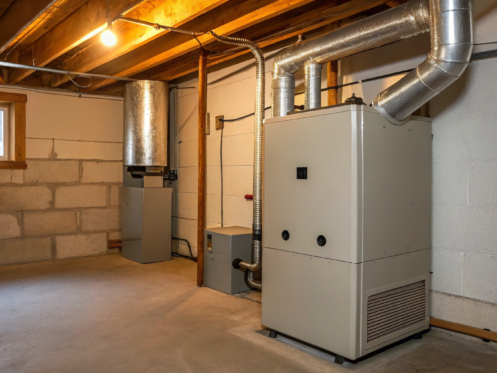
That strange rattling sound from the basement isn’t going away, and your energy bills seem to creep higher every month. These are classic signs that your old furnace is on its last legs. While it’s tempting to keep calling for repairs, those costs add up quickly and are often just a temporary fix for a bigger problem. Eventually, you have to face the question of replacement. Understanding the cost to install a new furnace is the first step toward making a smart, proactive decision for your home’s comfort and your wallet. This article will walk you through every expense, helping you plan ahead.
Key Takeaways
- Budget for the complete installation: Remember that the final cost includes more than just the furnace unit. Account for labor, potential ductwork modifications, permits, and removal fees to create a realistic budget from the start.
- Consider long-term value over initial price: A high-efficiency furnace may cost more upfront, but it can significantly reduce your monthly energy bills. Calculate the potential long-term savings to determine the best financial choice for your home.
- Vet your contractor carefully: The quality of your installation is crucial for your furnace’s performance and safety. Always get multiple detailed quotes, verify licenses and insurance, and check recent customer reviews before making a decision.
How Much Does a New Furnace Really Cost?
When your old furnace is on its last legs, the first question on your mind is probably about the cost of a new one. The truth is, there’s no single price tag. The final cost to install a new furnace depends on the type of fuel it uses, its energy efficiency, the size of your home, and the complexity of the installation. Most homeowners in Tucson can expect to pay somewhere between $3,800 and $10,000 for a complete furnace replacement.
Think of it like buying a car—a basic model will get you from point A to point B, but a high-performance, fuel-efficient model comes with a higher initial price and long-term benefits. Your furnace is a major home appliance you’ll rely on for 15 to 20 years, so it’s worth understanding the different options. Let’s break down the costs associated with the most common types of furnaces to help you find the right fit for your home and budget.
Gas Furnace Costs
Gas furnaces are the most popular choice for homeowners in areas like Tucson and Oro Valley with access to natural gas. They are powerful and can generate warm air at higher temperatures than electric systems, heating your home quickly and efficiently during those chilly desert nights. The upfront cost for a new gas furnace, including installation, typically ranges from $3,800 to $10,000. While the initial investment can be higher than an electric model, natural gas is often more affordable than electricity, leading to lower monthly utility bills. This makes it a cost-effective solution for long-term heating.
Electric Furnace Costs
If your home doesn’t have a natural gas line, an electric furnace is a great alternative. The biggest advantage is the lower upfront cost. The unit itself is less expensive, and installation is generally simpler and more affordable than a gas furnace. You can expect the total cost to fall between $2,000 and $7,000. However, it’s important to consider the long-term operating expenses. Electricity rates are typically higher than natural gas rates, which means your monthly heating bills will likely be higher. For smaller homes or areas where the furnace is used less frequently, an electric model can be a smart, budget-friendly choice.
Oil Furnace Costs
Oil furnaces are much less common in Arizona and are generally found in older homes, particularly in colder regions of the country. These systems require a large storage tank on your property to hold the heating oil, which adds to the installation complexity and cost. The upfront price for an oil furnace is often higher, ranging from $4,000 to $8,000 or more. On top of that, the price of heating oil can fluctuate significantly, making it difficult to predict your monthly energy costs. For most homeowners in Sahuarita and Marana, a gas or electric furnace is a more practical and economical option.
High-Efficiency vs. Standard-Efficiency Prices
When you’re shopping for a new furnace, you’ll see an AFUE rating, which stands for Annual Fuel Utilization Efficiency. In simple terms, it tells you how much fuel the furnace converts into usable heat. A standard-efficiency furnace might have an 80% AFUE rating, while a high-efficiency model can be 90% or higher. High-efficiency units cost more upfront—sometimes $1,000 to $3,000 more—but they can save you money on your energy bills every month. Over its lifespan, a high-efficiency furnace can pay for itself through lower operating costs. Regular tune-ups are key to keeping it running at peak performance, which is why a good maintenance agreement is always a smart investment.
What Determines Your Furnace Installation Cost?
When you get a quote for a new furnace, you’ll notice the price is more than just the cost of the unit itself. Several key factors influence the final total, from the type of furnace you choose to the specifics of your home. Understanding these elements will help you make an informed decision and know exactly what you’re paying for. It’s about finding the right balance between upfront cost, long-term savings, and home comfort.
The Furnace’s Fuel Source
The type of fuel your furnace uses is a major cost factor. Gas furnaces are common in Tucson and often have a higher initial price but can be more affordable to run month-to-month. That’s because natural gas can generate heat faster and at higher temperatures than electric systems. Electric furnaces, on the other hand, are typically less expensive to install but may lead to higher utility bills. Your home’s existing connections will also play a role; if you need to run a new gas line, that will add to the installation cost. Comparing the long-term operating expenses of different fuel types is a smart step before making a final choice.
Energy Efficiency (AFUE Rating)
A furnace’s efficiency is measured by its Annual Fuel Utilization Efficiency (AFUE) rating. This percentage tells you how much fuel is converted into usable heat. For example, a 95% AFUE furnace turns 95% of its fuel into warmth for your home, with only 5% lost. While high-efficiency models with AFUE ratings of 90% or more cost more upfront, they can significantly lower your monthly energy bills. The price will vary based on a unit’s efficiency, but the long-term savings often make the initial investment worthwhile, especially with Tucson’s chilly winter nights.
Your Home and Furnace Size
Bigger isn’t always better when it comes to furnaces. A unit that’s too large will cycle on and off too frequently, wasting energy and causing unnecessary wear and tear. One that’s too small will struggle to heat your home, running constantly without providing enough warmth. A professional technician will help you choose the right size for your home by performing a calculation that considers your home’s square footage, layout, insulation, and local climate. This ensures your new furnace operates efficiently and keeps you comfortable for years to come.
Installation Complexity and Ductwork
The labor involved in the installation makes up a significant portion of the final cost—often around 30-40%. A straightforward replacement in an easily accessible location will cost less than a complex installation in a tight attic or crawlspace. If your existing ductwork is old, leaky, or improperly sized, it may need repairs or modifications to support the new system. Any necessary adjustments to electrical wiring or gas lines will also add to the overall price. Our expert heating services in Tucson, Oro Valley, and Marana account for these details to ensure a safe and effective installation.
Local Labor Rates
Labor costs for skilled HVAC technicians vary by region. In areas like Tucson and Sahuarita, rates reflect the technician’s training, experience, licensing, and insurance. While it can be tempting to choose the cheapest quote, quality installation is crucial for your furnace’s performance, safety, and longevity. The actual cost of labor is an investment in peace of mind. Paying for a certified professional ensures the job is done right the first time, preventing costly repairs and ensuring your system operates at peak efficiency.
What Other Costs Should You Plan For?
When you’re budgeting for a new furnace, the price tag on the unit itself is just the starting point. Several other factors contribute to the final bill, and it’s smart to know what they are so you aren’t caught by surprise. Think of it like buying a car—the sticker price is one thing, but taxes, fees, and optional features add up. Planning for these additional expenses from the get-go will give you a much more realistic picture of your total investment and help you make the best decision for your home.
Installation and Labor Fees
Professional installation isn’t just a line item on your invoice; it’s what ensures your new furnace runs safely and efficiently for years to come. Labor costs, which typically range from $1,000 to $3,000, cover the expertise of certified technicians who handle everything from connecting gas and electrical lines to testing the system. This is not a DIY project. Proper installation is crucial for your family’s safety and the longevity of your equipment. When you work with a trusted team, you’re paying for the peace of mind that comes with a job done right.
Ductwork Repairs or Modifications
Your furnace is only as good as the ductwork that distributes its warm air. If your existing ducts are old, leaky, or improperly sized for your new unit, you’ll lose efficiency and comfort. A technician might recommend repairs or modifications, which can cost between $500 and $3,000, depending on the extent of the work. While it’s an added expense, sealing leaks and ensuring proper airflow allows your new, high-efficiency furnace to perform at its peak, saving you money on energy bills down the road.
Permits and Inspections
Depending on where you live in areas like Tucson or Oro Valley, a permit may be required to install a new furnace. This process ensures the work meets local safety codes and is properly inspected. The cost for permits and inspections usually falls between $50 and $300. A reputable HVAC company will handle all the paperwork for you, making sure your installation is fully compliant. It might seem like a small detail, but it’s a critical step that protects you and your home.
Old Furnace Removal
Out with the old, in with the new! But what happens to your old furnace? Safely disconnecting and hauling away a bulky, heavy piece of equipment costs money, typically between $50 and $200. This fee covers the labor involved and ensures the old unit is disposed of properly and in an environmentally responsible way. Most installation quotes will include this service, but it’s always a good idea to confirm so you know exactly what to expect on installation day.
Electrical or Gas Line Upgrades
Sometimes, a new furnace requires updates to your home’s existing infrastructure. This is especially common if you’re switching from an electric to a gas furnace or if your home is older and its wiring isn’t up to current code. Upgrades to electrical circuits or gas lines can range from $200 to $700. These changes are essential for safely powering your new unit and are a non-negotiable part of a professional heating services installation.
A New Thermostat or Other Accessories
Pairing your new furnace with a new thermostat is one of the smartest moves you can make. For $150 to $400, you can upgrade to a programmable or smart thermostat that gives you greater control over your home’s climate and can significantly reduce your energy consumption. A smart thermostat learns your habits and can be controlled from your phone, adding a layer of convenience to your daily life. It’s a small investment that can maximize the efficiency of your new system and pay for itself in savings.
How to Save Money on Your Furnace Installation
A new furnace is a significant home investment, but that doesn’t mean it has to break the bank. With a little planning and savvy shopping, you can get a high-quality, reliable heating system without overspending. It’s all about knowing where to look for savings and how to make smart decisions that pay off both now and in the long run. From timing your purchase to finding hidden rebates, here are some practical ways to manage the cost of your furnace installation.
Get Multiple Detailed Quotes
Getting a few different quotes is one of the smartest moves you can make. Aim for at least three written estimates from reputable, licensed contractors. This isn’t just about finding the lowest price; it’s about understanding the full scope of what’s being offered. A good quote should be a detailed document, not just a number on a business card. Make sure it clearly lists the specific furnace model, all labor costs, any necessary permit fees, and the full warranty information. This transparency allows you to compare apples to apples and spot any red flags before you commit. When you’re ready, you can schedule an appointment with our team for a clear, comprehensive quote.
Time Your Purchase for the Off-Season
Timing is everything. The busiest time for any HVAC company is during the first cold snap of winter or the peak heat of summer. If you can, plan your furnace replacement during the milder months, like late spring or early fall. During these slower periods, you might find more flexible scheduling and even better pricing. Some industry experts suggest that you could save 15% or more by avoiding the emergency rush. Planning ahead gives you the power to shop around without the pressure of a broken-down furnace in the middle of a cold Tucson night, ensuring you get the best value for your new heating system.
Find Rebates and Tax Credits
Don’t leave free money on the table! There are often several programs available to help offset the cost of a new, energy-efficient furnace. Start by checking with your local utility provider, like Tucson Electric Power (TEP), as they frequently offer rebates for upgrading to high-efficiency models. You should also look into federal tax credits, which can provide significant savings for qualifying systems. The ENERGY STAR rebate finder is a great tool to see what’s available in your area. Manufacturers often have their own seasonal rebates, too, so be sure to ask your contractor about any current promotions. These savings can add up quickly and make a higher-efficiency unit much more affordable.
Choose the Right Efficiency for Your Budget
It’s easy to get sticker shock when comparing a standard-efficiency furnace to a high-efficiency one. While high-efficiency models cost more upfront, they can lead to substantial savings on your monthly energy bills for years to come. The key is to find the right balance for your home and budget. A professional can help you calculate the potential long-term savings to see if the initial investment makes sense for you. Investing in a more efficient unit is also an investment in your home’s comfort and value. And once it’s installed, a regular maintenance plan will ensure it runs at peak efficiency, protecting your investment and maximizing your energy savings.
Hiring a Contractor? Avoid These Common Mistakes
A new furnace is a major home investment, and the quality of the installation is just as important as the unit you choose. The right contractor ensures your system runs efficiently and safely for years, while the wrong one can lead to headaches, unexpected costs, and even a voided warranty. It’s about more than just connecting a few pipes and wires; it’s about ensuring your family’s comfort and safety.
Finding a trustworthy professional in Tucson can feel overwhelming, but knowing what to watch out for makes the process much smoother. Many homeowners fall into the same preventable traps, from getting swayed by a lowball offer to overlooking crucial details in the fine print. Taking a little extra time to vet your options will pay off significantly in the long run. To help you make a confident choice, we’ve outlined the most common mistakes homeowners make when hiring an HVAC contractor and, more importantly, how you can avoid them. When you’re ready for a team you can trust, you can always schedule an appointment with our certified technicians.
Choosing Based on Price Alone
We all love a good deal, but when it comes to furnace installation, the lowest bid is often a red flag. A quote that’s significantly cheaper than the competition usually means corners are being cut somewhere—whether it’s with subpar equipment, rushed labor, or an inexperienced crew. As one industry expert notes, “choosing a contractor based only on the lowest quote is one of the most expensive mistakes homeowners make.” Instead of focusing solely on the initial price, consider the overall value. A quality installation from a reputable company might cost more upfront, but it saves you money through better efficiency, fewer repairs, and a longer system lifespan.
Not Verifying Their License and Insurance
This one seems like a no-brainer, but you’d be surprised how many people assume a contractor is properly credentialed. Always ask for proof of their license and insurance before signing anything. A license confirms that the contractor meets state and local standards for safety and competence. Insurance, including liability and workers’ compensation, is even more critical. It protects you, the homeowner, from being held financially responsible if a worker is injured on your property or if your home is damaged during the installation. A professional company will always be ready and willing to provide these documents for your peace of mind.
Skipping Reviews and References
Before you hire anyone, do a little homework. A company’s online reputation can tell you a lot about their work quality and customer service. Check reviews on sites like Google to see what past customers in areas like Marana and Sahuarita are saying. Are they consistently praised for their professionalism and reliability? Or are there recurring complaints about missed appointments and shoddy work? Don’t be afraid to ask the contractor for a list of recent references you can call. Speaking directly with a former customer gives you a chance to ask specific questions and get an honest assessment of their experience.
Ignoring the Warranty Details
A new furnace comes with two types of warranties: a manufacturer’s warranty on the equipment itself and a labor warranty from the installer. Many homeowners overlook the details of the labor warranty, which can lead to major regrets if something goes wrong. A great parts warranty won’t do you much good if you have to pay out-of-pocket for every service call. Make sure you get the contractor’s labor warranty in writing and understand exactly what it covers and for how long. This is also a great time to ask about maintenance agreements, which can help keep your system in top shape and protect your investment.
Getting the Wrong Size Furnace
Bigger isn’t always better when it comes to your furnace. An oversized unit will heat your home too quickly and shut off, a process called “short cycling.” This leads to wasted energy, uneven temperatures, and excessive wear and tear. On the other hand, an undersized unit will run constantly without ever reaching the desired temperature, driving up your energy bills. A professional contractor will perform a detailed load calculation to determine the precise size your home needs for its heating services. They’ll consider factors like your home’s square footage, insulation levels, window types, and local climate—not just guess based on your old system.
Signs It’s Time for a New Furnace
It can be tough to know when to repair your furnace versus when to replace it. While nobody wants an unexpected expense, continuing to patch up an old, inefficient unit can cost you more in the long run through high energy bills and constant repair calls. A furnace that’s on its last legs won’t just struggle to keep you warm; it can also impact your home’s air quality and safety.
Recognizing the warning signs can help you plan for a replacement before you’re left in the cold by a complete breakdown. If you’re starting to wonder whether your furnace can make it through another Tucson winter, here are a few key indicators that it might be time for an upgrade. Paying attention to your system’s age, performance, and repair history will give you a clear picture of its health.
Your Furnace’s Age and Declining Performance
Most furnaces have a lifespan of about 15 to 20 years. If yours is approaching or has passed that milestone, it’s wise to start thinking about a replacement, even if it hasn’t failed completely. An older unit will naturally become less efficient over time, meaning it has to work harder and use more energy to produce the same amount of heat. This gradual decline in performance is often the first sign that your furnace is nearing the end of its service life. Our team can provide expert heating services to help you assess its condition and efficiency.
Frequent Repairs and High Energy Bills
Are you on a first-name basis with your HVAC technician? If you find yourself calling for repairs more than once or twice a year, it’s a strong signal that your furnace is struggling. A good rule of thumb is to consider a replacement if a single repair costs more than half the price of a new unit. Constant breakdowns, coupled with a noticeable spike in your monthly energy bills, mean your furnace is no longer operating efficiently. Instead of pouring money into temporary fixes, investing in a new system is often the more cost-effective choice.
Uneven Heating and Comfort Issues
Your furnace’s main job is to keep your home comfortable, and if it’s failing at that, it’s time for a change. Do you have certain rooms that are always chilly while others are too warm? These cold spots are a classic sign of a furnace that can no longer distribute heat evenly. You might also notice strange noises like rattling, banging, or humming, which can indicate mechanical problems. Other red flags include excessive dust coming from your vents or changes in your home’s humidity levels. If you’re experiencing these issues, it’s best to schedule an inspection to find out what’s going on.
How to Budget for Your New Furnace
Figuring out how to pay for a new furnace can feel like a huge hurdle, but a little planning goes a long way. Instead of just looking at the sticker price, it’s helpful to think about the total investment, from the upfront cost to long-term energy savings and available payment options. Breaking it down this way makes the process much more manageable and helps you make a choice that fits your home and your finances perfectly.
A new furnace is a significant home improvement, and you want to feel confident you’re making a smart decision. We’ll walk through how to create a realistic budget, what factors influence the final price, and how you can make this essential upgrade more affordable. With the right information, you can find a reliable heating solution that keeps your family comfortable for years to come without causing financial stress.
Plan Your Total Investment
When you start looking at new furnaces, you’ll see a wide range of prices. Nationally, homeowners can expect to pay anywhere from $3,500 to over $10,000 for a new furnace and installation. The final cost depends on the type of furnace, its efficiency, and the specifics of your home in areas like Tucson or Oro Valley. The best way to get a clear picture of what you’ll spend is to get a detailed, written estimate. This allows you to see all the costs upfront and ask questions before any work begins. You can schedule an appointment with a professional to get a precise quote tailored to your home’s needs.
Understand Long-Term Operating Costs
The initial price is just one part of the equation. A furnace’s energy efficiency, measured by its Annual Fuel Utilization Efficiency (AFUE) rating, directly impacts your monthly utility bills. A higher AFUE rating means more of the fuel is converted into heat for your home. While a high-efficiency unit might cost more upfront, it can lead to significant savings over its lifespan. For example, upgrading from an 80% AFUE furnace to a 90% model can save you nearly $100 a year on gas bills alone. Considering these long-term savings is a key part of making a smart investment in your home’s heating system.
Explore Financing and Payment Options
You don’t always have to pay for a new furnace all at once. Many HVAC companies, including Fusion Plumbing & Air, offer financing options to help spread the cost over time, making it much easier to fit into your budget. It’s also worth looking into local utility rebates or federal tax credits that may be available for installing a high-efficiency model. These incentives can help offset the initial purchase price. Before making a final decision, be sure to get a few quotes from licensed contractors in the Marana or Sahuarita area to compare prices and ensure you’re getting a fair deal.
Related Articles
- New Furnace Cost With Installation: What to Expect
- New Furnace Installation: A Complete Guide
- Furnace Repair 101: A Complete Homeowner’s Guide
Frequently Asked Questions
Is a high-efficiency furnace really worth the extra cost in a place like Tucson? Even with our milder winters, a high-efficiency furnace is a smart investment. Efficiency isn’t just about battling blizzards; it’s about how effectively the unit converts fuel into heat every single time it kicks on. A more efficient system uses less energy to warm your home, which translates directly into lower monthly utility bills. Over the 15-plus-year lifespan of the furnace, those savings really add up, often paying back the initial difference in price.
How can I tell if a repair is enough, or if I really need a full replacement? A good guideline is the 50% rule. If a single repair costs more than half the price of a new furnace, replacement is almost always the better financial decision. You should also consider the furnace’s age. If your unit is over 15 years old and needs a major, expensive fix, that money is better put toward a new, reliable system that comes with a fresh warranty and improved efficiency.
What does a typical furnace installation quote actually include? A professional quote should be clear and itemized, leaving no room for surprises. It will cover the cost of the furnace unit itself, all labor fees for the installation, the safe removal and disposal of your old unit, and any necessary permits. If your project requires modifications to your ductwork, electrical wiring, or gas lines, those costs should also be clearly detailed in the estimate.
How long does it take to install a new furnace? A standard furnace replacement is usually completed in a single day, typically taking between four and eight hours. The exact timeline depends on the accessibility of your unit and the complexity of the job. If the installation requires significant changes, like running a new gas line or making major ductwork adjustments, it could potentially extend into a second day. Your technician will always provide a clear timeline before starting the work.
Why can’t I just buy a furnace myself and hire someone to install it? While it might seem like a way to save money, this approach can cause major headaches. Professional HVAC contractors not only get access to better equipment pricing but also perform crucial calculations to ensure you get the correct size unit for your home. Most importantly, manufacturers’ warranties are typically only valid if the furnace is installed by a licensed technician. A professional installation guarantees safety, proper performance, and protects your investment.