There’s no feeling quite like the dread that sets in when your AC gives out during a Tucson summer. You crank the thermostat down, but the air coming from your vents is lukewarm at best. When your central air conditioner is not cooling, it’s easy to assume the worst—a costly, complicated repair. But don’t panic just yet. The cause is often a simple issue you can identify or even fix yourself, like a clogged filter or an incorrect setting. This guide will walk you through the most common culprits, helping you troubleshoot the problem before you make a service call.
Key Takeaways
- Troubleshoot the basics first: Before you call for help, check your thermostat settings, swap out a dirty air filter, and make sure your outdoor unit is clear of debris. These simple actions often resolve the issue without needing a service visit.
- Know when to call a professional: Don’t ignore serious symptoms like grinding noises, burning smells, or ice buildup. These are signs of a deeper problem that requires an expert to diagnose safely and prevent more extensive damage to your system.
- Prevent problems with routine care: The best way to avoid a mid-summer breakdown is through consistent maintenance. An annual professional tune-up and monthly filter changes keep your AC running efficiently, extend its lifespan, and save you money on energy bills.
Why Is My AC Blowing Warm Air?
There’s nothing quite like the frustration of your air conditioner blowing warm air on a sweltering Tucson day. When you’re counting on that cool relief, a malfunctioning AC can feel like a major crisis. The good news is that the cause isn’t always a catastrophic failure. Often, it’s something you can identify or even fix yourself. From a simple settings change to a clogged filter, several common issues can prevent your system from cooling properly. Understanding these potential culprits is the first step toward getting that cold air flowing again. Let’s walk through the most frequent reasons your AC might be struggling, so you can figure out what’s going on and what to do next.
Dirty Air Filters
One of the most common and easily fixed reasons for an AC blowing warm air is a dirty air filter. Your filter’s job is to trap dust, pollen, and other airborne particles, but over time, it can become so clogged that it blocks airflow. When air can’t move freely over the evaporator coils, the system can’t effectively cool your home. This forces your AC to work much harder than it should, which can lead to overheating or even a complete shutdown. Checking and changing your air filter regularly is a simple piece of maintenance that can save you from a lot of discomfort and prevent unnecessary strain on your system.
Incorrect Thermostat Settings
Before you assume the worst, take a moment to check your thermostat. It might sound too simple, but it’s surprisingly easy for settings to get accidentally changed. Make sure your thermostat is set to “cool” and not “heat,” “off,” or “fan.” The “fan” setting will circulate air, but it won’t activate the cooling components of your outdoor unit, which is why you’d feel room-temperature air coming from the vents. Also, double-check that the temperature is set lower than the current room temperature. This quick check can sometimes save you the time and expense of a service call.
Low Refrigerant Levels
Refrigerant is the lifeblood of your air conditioning system; it’s the chemical compound that absorbs heat from your home and releases it outside. If your system is low on refrigerant, it won’t be able to cool the air effectively. This isn’t like running out of gas in a car—your AC uses a closed-loop system, so low levels almost always mean there’s a leak somewhere. A refrigerant leak is bad for your AC unit and the environment, and handling refrigerant requires special certification. If you suspect a leak, it’s time to call in the professionals for cooling services to find and fix the leak before recharging the system.
Blocked Condenser Coils
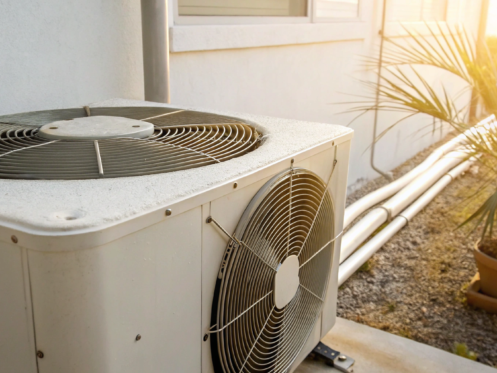
Your air conditioning system has two main parts: an indoor unit and an outdoor unit. The outdoor unit, called the condenser, is responsible for releasing the heat pulled from your home. Over time, its coils can get covered in dirt, grass clippings, dust, and other debris. When the coils are blocked, the condenser can’t get rid of heat efficiently. This forces the system to work overtime and can eventually cause it to overheat and shut down. Keeping the area around your outdoor unit clear and gently cleaning the coils can make a big difference in your AC’s performance.
Tripped Breakers or Electrical Issues
Your air conditioner relies on electricity to power both its indoor and outdoor components. If the circuit breaker connected to your outdoor unit has tripped, the indoor fan might still run, but the condenser won’t be able to do its job of cooling the air. You can check your home’s electrical panel and reset the breaker if it has tripped. However, if the breaker trips repeatedly, it’s a sign of a deeper electrical problem that needs professional attention. Faulty wiring or a failing component could be the cause, and it’s always safest to have an expert handle any electrical repairs.
Leaky Ductwork
Your ductwork is the network of channels that delivers cool air from your AC unit to every room in your house. If these ducts have cracks, holes, or poor connections, a significant amount of that precious cold air can escape into your attic, crawl space, or walls. This not only wastes energy and drives up your utility bills but also means your living spaces aren’t getting the cool air they need. Leaky ducts can also pull in dust, allergens, and unconditioned air from outside, reducing your home’s indoor air quality. Sealing and repairing ductwork is a job best left to professionals who can ensure it’s done right.
What to Check Before You Call for AC Repair
When your AC starts blowing warm air on a sweltering Tucson day, it’s easy to panic. But before you pick up the phone, there are a handful of simple checks you can perform yourself. These quick troubleshooting steps can often solve the problem without the need for a service call, saving you time and money. Running through this list can also help you give our technicians more specific information if you do end up needing professional help. Let’s walk through a few things to look at.
Adjust Your Thermostat
This might sound obvious, but it’s the first place you should always look. Sometimes the simplest solution is the right one! First, check that your thermostat is set to ‘cool.’ It’s surprisingly easy for settings to get bumped by accident. Next, make sure the temperature is set lower than the current room temperature; otherwise, the AC won’t have a reason to kick on. Also, ensure the fan setting is on ‘auto,’ not ‘on.’ If the fan is set to ‘on,’ it will run continuously, even when the air isn’t being cooled, which can make the air feel warmer.
Clean or Replace the Air Filter
Your AC system’s air filter is its first line of defense, trapping dust, pollen, and other debris. When it gets clogged, it severely restricts airflow. This forces your air conditioner to work much harder to pull in air, which can lead to reduced cooling, higher energy bills, and even cause the coils to freeze over. You should plan to change your air filter every one to three months, or even more frequently during dusty monsoon seasons here in Arizona. A fresh filter is one of the easiest and most effective ways to keep your system running smoothly.
Clear Debris From Your Outdoor Unit
Your outdoor AC unit, the condenser, needs to breathe. Over time, leaves, grass clippings, dust, and other yard debris can build up around it, blocking airflow. This makes it difficult for the unit to release heat from your home, causing it to work inefficiently. Take a walk outside and clear away any debris within a two-foot radius of the unit. You can also gently rinse the exterior fins with a garden hose to wash away any caked-on dirt. Just be sure to turn the power off at the breaker first for safety!
Check Your Vents for Blockages
It might seem logical to close the air vents in rooms you aren’t using, but this can actually backfire. Closing vents disrupts the balance of your entire HVAC system, restricting airflow and increasing pressure in your ductwork. This can strain your AC’s blower motor and lead to inefficient cooling throughout the house. Walk through your home and make sure all the supply vents are open and aren’t blocked by furniture, rugs, or curtains. Proper airflow is key to keeping your whole home comfortable.
Reset the AC System’s Breaker
If your air conditioner won’t turn on at all, a tripped circuit breaker could be the culprit. Head to your home’s main electrical panel and look for the breaker labeled for your AC or air handler. If it’s in the ‘off’ position or stuck in the middle, flip it completely off and then back on again. For a full reset, it’s a good idea to turn the AC off at the thermostat first, then flip the breaker off for about five minutes before turning it back on. If the breaker trips again right away, it’s a sign of a bigger issue and time to call for professional cooling services.
Look for Ice on the Coils
Ice buildup on your AC coils is a clear sign that something is wrong, usually related to restricted airflow or low refrigerant. You might see frost on the copper lines running to your outdoor unit or on the indoor evaporator coil itself. If you spot any ice, your first step is to turn the entire AC system off at the thermostat and let the ice melt completely. Running the system while it’s frozen can cause serious damage to the compressor. Once it has thawed, you can try running it again, but if the ice returns, you’ll need an expert to diagnose the underlying issue.
Warning Signs of a Serious AC Problem
Sometimes, an air conditioner issue is more than a minor inconvenience—it’s a clear signal that something is seriously wrong. While simple troubleshooting can solve some problems, certain symptoms point to deeper mechanical or electrical failures that need a professional’s touch. Ignoring these warning signs can lead to more extensive damage, costly repairs, or even a complete system breakdown when you need it most. Think of your AC like a car; you wouldn’t ignore a grinding sound from the engine, and the same logic applies here. These signs are your system’s way of telling you it needs immediate attention from someone who knows what they’re doing. Listening to these warnings not only protects your investment but also keeps your home safe from potential hazards like electrical fires or water damage. Recognizing the difference between a simple fix and a serious problem is key to managing your home’s comfort and your budget. If you notice any of the following issues, it’s best to turn off your AC unit and call for help right away to prevent further problems and ensure your home stays safe.
Strange Noises Like Grinding or Squealing
Your AC should operate with a consistent, low hum. If you suddenly hear loud, unusual sounds, pay close attention. A grinding noise often points to a problem with the motor’s bearings, while a high-pitched squealing can indicate a failing belt or an issue with the compressor. These aren’t sounds you should ignore or try to get used to. They are mechanical cries for help, signaling that internal components are breaking down. Continuing to run the unit can cause these failing parts to damage other components, turning a relatively straightforward repair into a much bigger one.
Ice Buildup on Coils or Pipes
Finding ice on your air conditioner might seem counterintuitive, but it’s a classic sign of trouble. Ice forming on the evaporator coils or refrigerant lines usually means your system is struggling with either low refrigerant or restricted airflow. When airflow is blocked by a dirty filter or obstructed ductwork, the coils get too cold and cause condensation to freeze. This ice blanket prevents the system from properly cooling your home and puts immense strain on the compressor. If you see ice, turn the system off to let it thaw and call a professional for cooling services to diagnose the root cause.
Burning Smells or Unusual Odors
Any kind of burning smell coming from your vents is a major red flag that requires immediate action. A dusty smell when you first turn the AC on for the season is normal, but a persistent, acrid, or electrical odor could mean a component is overheating or there’s a wiring issue. This poses a serious fire hazard and should not be taken lightly. If you smell something burning, turn off your air conditioner at the breaker box immediately and schedule an emergency service call. Don’t risk your safety by waiting to see if the smell goes away on its own.
Water Leaking Around the Unit
Your air conditioner is designed to manage condensation through a dedicated drain line. If you see water pooling around your indoor or outdoor unit, it’s a sign that something is wrong. A puddle inside could mean the condensate drain line is clogged, causing water to back up and overflow. Leaks can lead to water damage, mold growth, and electrical issues. While a simple clog can sometimes be cleared, a leak could also indicate a more serious problem like a refrigerant leak, which requires professional handling. Addressing it quickly protects your home and your system.
A Sudden Spike in Your Energy Bill
Your utility bills are often the first place you’ll see evidence of an inefficient AC system. If your electricity costs suddenly jump without a corresponding heatwave or change in your usage habits, your air conditioner is likely the culprit. The system may be working much harder than it should to cool your home due to issues like low refrigerant, a failing motor, or dirty coils. This inefficiency not only costs you money every month but also puts extra wear and tear on the unit, shortening its lifespan and leading to more frequent breakdowns.
Constant On-and-Off Cycling
Does your AC turn on for a few minutes, shut off, and then kick back on again shortly after? This is known as short cycling, and it’s a clear sign of a problem. It can be caused by several issues, including a malfunctioning thermostat, a clogged air filter restricting airflow, or an oversized unit that cools the space too quickly to properly dehumidify it. Short cycling prevents your home from reaching a comfortable temperature, drives up energy bills, and puts excessive strain on the compressor, which can lead to premature failure. It’s a problem that definitely needs a professional diagnosis.
When to Stop Troubleshooting and Call a Pro
While it’s empowering to solve a home maintenance issue on your own, there are times when it’s smarter and safer to step back and call in a professional. If you’ve worked through the basic checks and your AC is still blowing warm air, you’re likely dealing with a more complex problem. Continuing to troubleshoot can sometimes lead to bigger, more expensive issues or even create safety hazards. Recognizing the limits of DIY is key. Here are the definitive signs that it’s time to put down the tools and pick up the phone.
You Suspect a Refrigerant Leak
Refrigerant is the chemical that allows your AC to cool the air, and it operates in a closed loop. If you’re low on refrigerant, it means there’s a leak somewhere in the system. You might hear a hissing sound or notice that your AC’s coils have ice on them but the air isn’t cold. This isn’t a DIY fix. Handling refrigerant requires special certification and tools to be done safely and legally. A professional technician can locate the source of the leak, repair it, and recharge the system with the correct amount of refrigerant, ensuring your unit runs efficiently and safely.
DIY Fixes Didn’t Solve the Problem
You’ve done your part. You checked the thermostat settings, replaced the air filter, and cleared away debris from the outdoor unit. But despite your best efforts, your home is still uncomfortably warm. When the simple fixes don’t work, it’s a clear signal that the problem lies deeper within the system’s mechanical or electrical components. Instead of spending more time and frustration on the issue, this is the perfect point to schedule a professional diagnosis. An experienced technician has the diagnostic tools to pinpoint the exact cause and get your cool air flowing again.
You’re Dealing with Electrical Issues
Electrical problems are a serious matter and should always be handled by a qualified professional. If your circuit breaker trips every time the AC kicks on, or if the unit won’t power on at all, it could point to a wiring issue, a faulty capacitor, or a problem with the compressor. Attempting to fix these issues without proper training is extremely dangerous and can result in electric shock or further damage to your HVAC system. For your safety and the integrity of your home’s electrical system, leave these types of cooling services to the experts.
The Compressor or Motor Has Failed
Think of the compressor as the heart of your air conditioning system. It’s responsible for circulating refrigerant between the indoor and outdoor units. If the compressor or one of the fan motors fails, your AC system will stop cooling entirely. These are complex components that require a professional to diagnose and repair correctly. A technician can determine if the part can be repaired or if it needs to be replaced, saving you from the costly mistake of misdiagnosing the problem. Issues with these core components are not something you want to guess at.
Your System Is Still Under Warranty
If your air conditioner is relatively new, it’s likely still covered by a manufacturer’s warranty. Before you attempt any repairs yourself, check your warranty documents. Most manufacturers state that any work performed by an unauthorized person will void the warranty. This means that if you try to fix it yourself and make the problem worse, you could be on the hook for the full cost of a repair that would have been covered. Calling a licensed professional ensures your warranty stays intact, and a regular maintenance agreement can help you meet its service requirements.
Signs Your AC Needs Emergency Service
Some air conditioning issues are more than just an inconvenience—they’re a clear signal that something is seriously wrong. While you can troubleshoot minor problems, certain signs mean you should turn off your system and call for professional help right away. Ignoring these warnings can lead to more extensive damage or even create a safety hazard. If you notice any of the following red flags, it’s time to contact an expert for emergency cooling services.
Frost or Ice on the Evaporator Coils
It might seem strange, but ice on your AC unit is a bad sign. If you see frost or a layer of ice on the evaporator coils (located in your indoor unit), it usually points to a problem with airflow or low refrigerant. This ice buildup blocks the system’s ability to absorb heat, which is why your home isn’t getting cool. Don’t try to scrape the ice off yourself. The best thing to do is turn off your AC to let it thaw and call a technician. We can find the root cause, whether it’s a dirty filter, a blocked coil, or a refrigerant leak.
Loud Banging or Grinding Sounds
Your air conditioner should operate with a gentle hum. If you suddenly hear loud banging, grinding, or screeching noises, turn the system off immediately. These sounds often indicate a serious mechanical problem, like a broken part in the compressor or a failing motor. Continuing to run the unit could cause a complete system failure, turning a repairable issue into one that requires a full replacement. Think of it as your AC screaming for help—it’s a sound you definitely shouldn’t ignore.
Uneven Cooling and Hot Spots in Your Home
If one room feels like an icebox while another is uncomfortably warm, it could signal a major problem. While minor temperature differences can be normal, sudden and severe uneven cooling suggests a significant issue. This could be caused by collapsed or leaky ductwork, a failing blower motor, or a zoning system malfunction. During a Tucson summer, having reliable cooling in every room is essential. A professional can diagnose why your system is struggling to distribute air evenly and restore comfort throughout your home.
The System Won’t Turn On at All
This is one of the most straightforward signs of an emergency. If your AC won’t power on, first check that the thermostat is set correctly and that the circuit breaker hasn’t tripped. If you’ve tried those simple fixes and there’s still no response, you’re likely dealing with a more complex problem. It could be a failed capacitor, a burnt-out motor, or a serious electrical issue. For your safety, avoid trying to fix electrical components yourself. It’s time to schedule an appointment with a certified technician to safely diagnose and fix the problem.
How to Stay Cool While You Wait for a Repair
Waiting for an AC technician can feel like an eternity, especially when the Tucson sun is beating down. While you’ve scheduled your professional cooling service, you don’t have to suffer in the heat. These simple strategies can make your home much more comfortable in the meantime. By using fans strategically, blocking out the sun, and managing your home’s airflow, you can create a cooler, more livable space until help arrives. Think of it as a temporary survival plan to beat the heat and keep your cool.
Use Fans to Circulate Air
Fans don’t lower the room’s temperature, but they do create a wind-chill effect on your skin that makes you feel cooler. To get the most out of them, placement is key. Position your box or oscillating fans in the coolest part of the room, which is usually a dark corner low to the floor. Since cool air sinks, this helps circulate the most refreshing air available. If you have ceiling fans, make sure they’re spinning counter-clockwise during the summer to push cool air downward. At night, you can create a cross-breeze by placing one fan facing in a window and another facing out in a different room to pull in cool air and push out the hot air.
Block Out Sunlight with Curtains
A surprising amount of heat enters your home through its windows. Your best defense is to become a master of shade. Before the sun comes up, close all your curtains and blinds, and keep them shut until sunset. This simple act blocks the sun’s radiant heat from warming up your rooms. For windows that get direct sun, especially those facing south and west, blackout curtains are a fantastic investment. They can significantly reduce the amount of heat that gets through. In a pinch, you can even hang up dark blankets or sheets to create a temporary barrier against the intense sunlight, turning your living space into a cool, dark retreat.
Optimize Airflow in Your Home
Managing how air moves through your house can make a big difference. To help your fans circulate air more effectively, keep interior doors open between the rooms you’re using. This prevents cool air from getting trapped and allows for better overall circulation. At the same time, consider closing off any rooms you aren’t using, like guest bedrooms or formal dining rooms. Shutting the doors and closing the vents in those spaces will help concentrate the cooler air where you need it most. You can also reduce indoor heat by avoiding using the oven or clothes dryer during the hottest part of the day. These are great temporary measures until you can get a technician to schedule your repair.
Prevent Future Breakdowns with Regular Maintenance
An ounce of prevention is worth a pound of cure, especially when it comes to your AC. Instead of waiting for a problem to pop up on the hottest day of the year, a little routine care can keep your system running smoothly and efficiently. Regular maintenance not only helps you avoid unexpected breakdowns and costly repairs but also extends the life of your air conditioner and can even lower your monthly energy bills. Think of it as a simple check-up for one of the hardest-working appliances in your home.
Taking a proactive approach means you’re in control. You can schedule service on your own time, rather than making a frantic emergency call when your system gives out. Most of these tasks are simple enough to handle on your own in just a few minutes a month. Others, like a comprehensive system inspection, are best left to a professional who can spot potential issues before they become major headaches. By incorporating these habits into your home care routine, you can ensure your AC is ready to handle the Tucson heat whenever you need it, giving you peace of mind and a consistently comfortable home. It’s the smartest way to protect your investment and stay cool all season long.
Change Your Air Filter Monthly
This is one of the easiest and most effective things you can do for your AC system. A dirty air filter is like trying to breathe through a clogged straw—it restricts airflow, forcing your air conditioner to work much harder to cool your home. This extra strain can lead to reduced efficiency, higher energy bills, and even a complete system shutdown if it overheats. Make it a habit to check your filter every month and replace it if it looks dirty. It’s a small task that takes just a few minutes but makes a huge difference in your system’s performance and longevity.
Schedule an Annual Professional Tune-Up
While monthly filter changes are great, nothing replaces a thorough inspection from a trained technician. An annual tune-up allows a professional to clean, inspect, and calibrate your entire system. They can catch small issues like loose electrical connections or low refrigerant before they turn into expensive failures. This yearly service ensures your AC runs at peak efficiency, which saves you money on utility bills and helps you avoid surprise breakdowns. Signing up for a maintenance agreement is a great way to make sure you never miss this crucial check-up and often comes with added perks like priority service and discounts on repairs.
Keep Your Condenser Coil Clean
Your outdoor AC unit, or condenser, has a critical job: releasing the heat pulled from inside your home. Its coils can easily get covered in dirt, dust, grass clippings, and pollen. When this happens, the unit can’t release heat effectively, which reduces airflow and can cause the system to overheat and shut down. At the start of each cooling season, take a look at your outdoor unit. Clear away any leaves or debris from the sides and top. You can gently rinse the coils with a garden hose (never a pressure washer!) to wash away any built-up grime.
Get Preventive Electrical System Checks
Your air conditioner relies on a complex electrical system to function, and faulty wiring or failing components can cause serious problems. While you can safely reset a tripped circuit breaker once, you should never ignore it if it keeps happening. A breaker that trips repeatedly is a clear sign of an underlying electrical issue that needs professional attention. During a tune-up, an HVAC technician will inspect the wiring, capacitors, and contactors to ensure everything is safe and working correctly. This preventive check protects your system from electrical damage and keeps your home safe from potential fire hazards.
Repair or Replace? Making the Right Call for Your AC
When your AC stops blowing cold air, the big question is always whether to fix it or get a new one. It’s a major decision, and the right answer depends on your unit’s age, the nature of the problem, and your budget. A simple fix might get you through the season, but sometimes, investing in a replacement is the smarter long-term move. Thinking through a few key factors can help you feel confident in your choice and avoid throwing money at a unit that’s on its last legs. Let’s walk through when a repair is your best bet and when it’s time to start looking at new models.
When a Repair Makes the Most Sense
If your air conditioner is less than 10 years old and has been reliable up to this point, a repair is often the most practical solution. Many common issues, like a clogged drain line, a faulty thermostat, or a dirty filter, are relatively inexpensive to fix. A good rule of thumb is to consider a repair if the cost is less than half the price of a new system. A one-time fix for a minor component failure shouldn’t send you shopping for a whole new unit. Getting a professional AC repair can restore your system to perfect working order, especially if it’s a newer model that just needs a small adjustment to get back on track.
Signs It’s Time for a Replacement
Sometimes, a repair is just a temporary patch on a bigger problem. If you find yourself calling for service every summer, those repair bills add up quickly. This is a clear sign your system is struggling. Another major red flag is a critical component failure, like a bad compressor. Replacing one can be so expensive that it makes more sense to put that money toward a new, reliable unit. Continuing to run a broken AC can also turn a small issue into a catastrophic failure. If your system is over 10-15 years old and needs a costly repair, installing a new system is almost always the better financial decision.
How Age and Efficiency Play a Role
An AC unit’s age is one of the most important factors in the repair-or-replace debate. Most systems last about 10 to 15 years. As your unit gets older, its efficiency drops, and it becomes more prone to breakdowns. Even if a repair seems affordable, you might be missing out on the energy savings a modern, high-efficiency model offers. A new unit can significantly lower your monthly utility bills, helping it pay for itself over time. Plus, if your current system is still under warranty, attempting a DIY fix could void it, making a professional call essential. Consistent, regular maintenance can extend your unit’s life, but eventually, every system needs to be replaced.
Related Articles
- AC Not Cooling? 7 Common Causes & What to Do
- AC Not Cooling? 7 Common Causes & Simple Fixes
- Furnace Blowing Cold Air? 6 Reasons & Easy Fixes
Frequently Asked Questions
What’s the very first thing I should check if my AC is blowing warm air? Before you worry about a major problem, always start with your thermostat. It’s the control center for your system, and it’s easy for settings to get changed by accident. Make sure it’s set to “cool” and that the temperature is set lower than the current temperature in your home. Also, check that the fan is on “auto,” not “on,” so it only runs when the air is being actively cooled.
How often should I really be changing my air filter here in Tucson? Because our desert environment is so dusty, a good rule of thumb is to check your filter every 30 days. If it looks gray or clogged with dust, it’s time for a new one. During monsoon season, when there’s more dust and debris in the air, you might even need to change it more frequently. A clean filter is the single best thing you can do to keep your system running efficiently and prevent problems.
Is it a big deal if I see a little ice on my AC unit? Yes, any ice on your AC coils or pipes is a clear sign of a problem. It usually means that either airflow is being blocked or your system is low on refrigerant. While it might seem harmless, this ice prevents your system from cooling properly and puts a lot of strain on its most important components. If you see ice, turn your system off to let it thaw completely and call a professional to find the underlying cause.
My AC is over 10 years old. Should I just replace it instead of paying for a repair? Age is a huge factor in this decision. If your system is over a decade old and needs a major, expensive repair—like a new compressor—it often makes more financial sense to invest that money in a new, more efficient unit. A modern system will be more reliable and can lower your energy bills, saving you money in the long run. However, if it’s a minor, inexpensive fix, a repair might still be a good option to get you through another season or two.
What kind of problem counts as a true AC emergency? An emergency is any issue that poses a safety risk or could cause immediate, severe damage to your system. The biggest red flags are a burning smell coming from your vents, which could be a dangerous electrical issue, or loud grinding and banging sounds that signal a major mechanical failure. In either of these situations, you should turn your AC off at the breaker and call for service right away.